Tracing a Millennium of Artistic Heritage
From the underground frescoes of the Roman catacombs to the luminous stained glass of Chartres Cathedral, medieval art shaped how civilizations visualized the divine, the human, and the natural world. This archive presents scholarly research, high-resolution imagery, and accessible analyses spanning the Early Christian era through the late Gothic period.
Explore the Collection
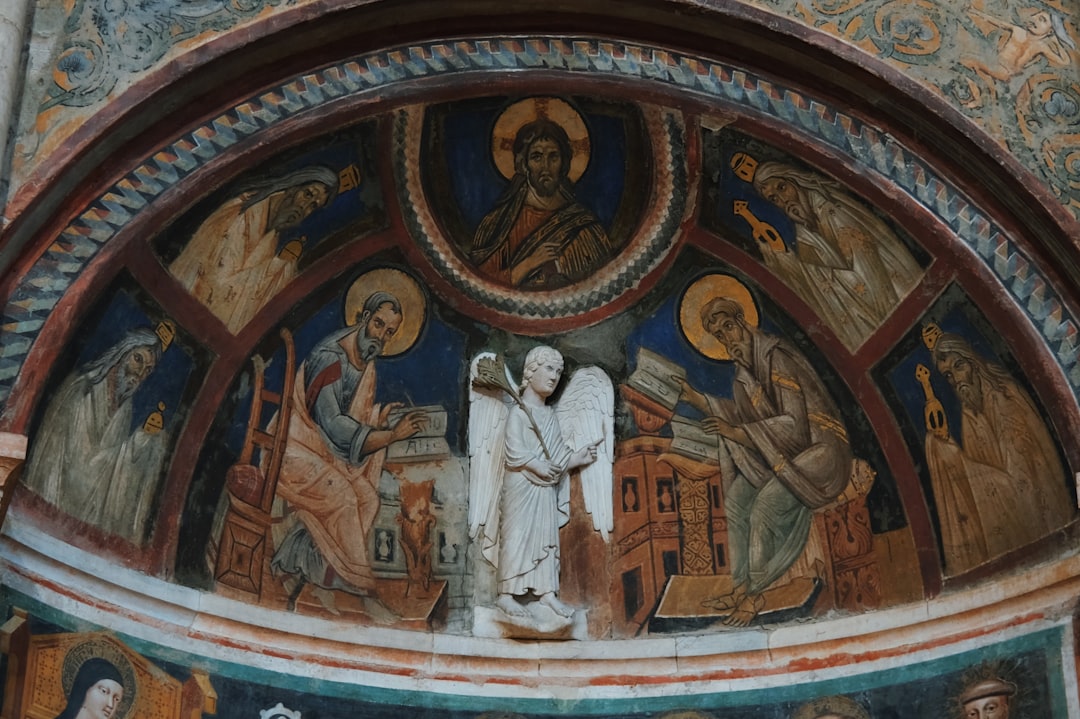
Early Christian Art
The visual language of a persecuted faith — from catacomb frescoes to the great basilicas of Rome, c. 200-500 CE.
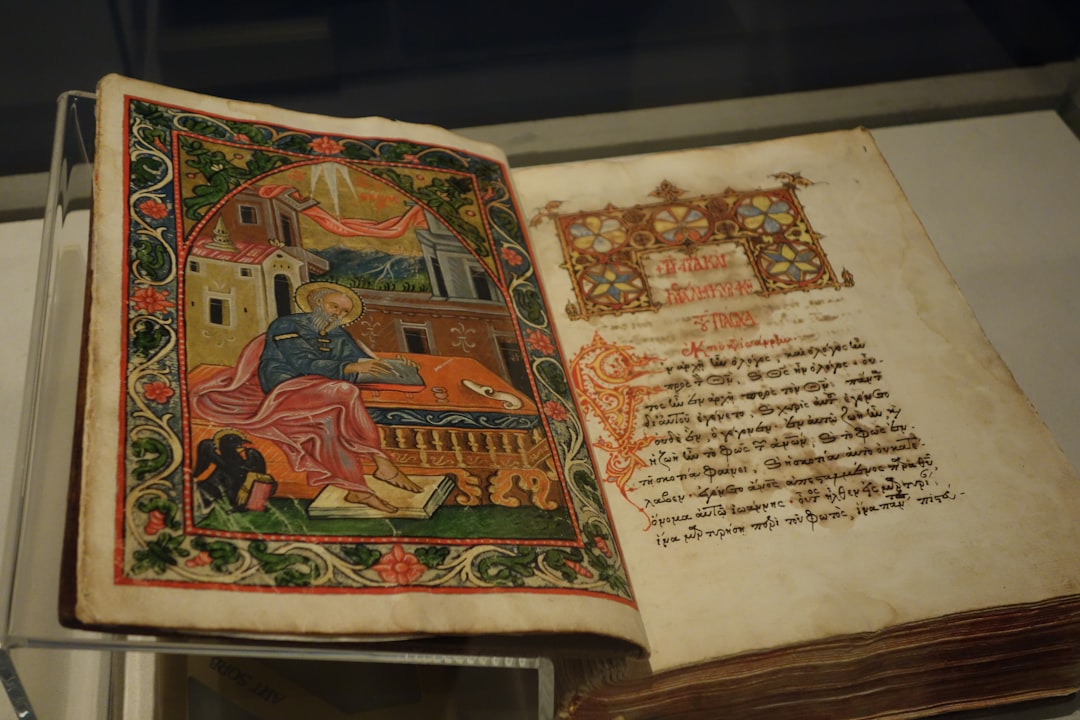
Byzantine Art
Gold-ground icons and imperial mosaics — the aesthetic theology of the Eastern Roman Empire, c. 500-1453.
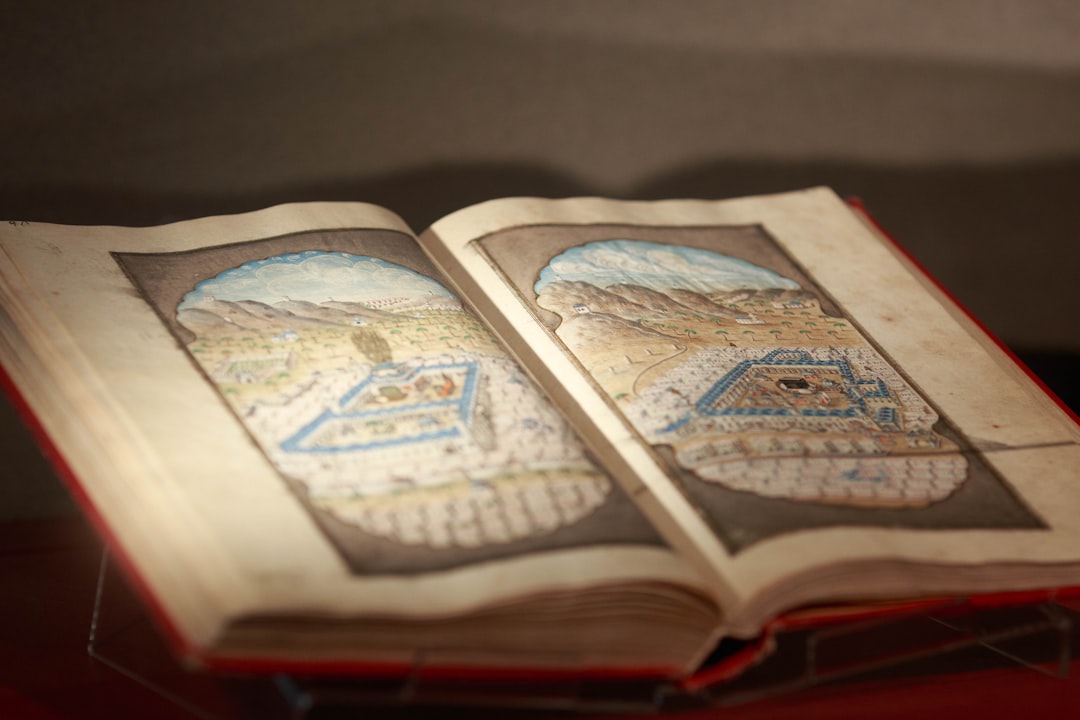
Gothic Art
Light as theology — the engineering revolution that produced ribbed vaults, flying buttresses, and luminous glass, c. 1140-1400.
What Defines Medieval Art?
The term "medieval art" encompasses roughly a thousand years of artistic production across Europe and the Mediterranean, from the fall of the Western Roman Empire to the dawn of the Renaissance. It is not a single style but a succession of movements, each responding to theological imperatives, political shifts, and material constraints of its time.
Theological Function Over Aesthetic Autonomy
Unlike modern art, which exists primarily for contemplation, medieval art served a functional purpose: it was a vehicle for religious instruction, a mnemonic device for illiterate congregations, and a material expression of piety. The great mosaics of Ravenna, the illuminated manuscripts of Lindisfarne, and the sculpted portals of Vezelay were all designed to communicate sacred narratives. As art historian Meyer Schapiro noted, the medieval image was "a text to be read" — its composition, iconography, and material choices encoded theological meaning accessible to the initiated viewer.
Material Innovation and Technical Mastery
Medieval artists developed techniques that pushed the boundaries of available materials. The development of stained glass in the Gothic period transformed light itself into a medium. The invention of oil painting by Jan van Eyck in the early 15th century allowed for unprecedented color saturation and detail. Tempera on gesso panels, fresco buon (pigment applied to wet plaster), and gold leaf burnishing were all mastered to degrees that modern conservators still study with admiration. The lapis lazuli pigment in the Book of Kells, imported from Afghanistan, demonstrates a global trade network that medieval art historians continue to map.
From Symbolic Representation to Naturalism
The trajectory of medieval art moves from the highly symbolic and flattened figures of Early Christian and Byzantine work toward the increasing naturalism of late Gothic sculpture and painting. This shift reflects broader cultural changes: the rise of universities, the influence of Aristotelian philosophy via Islamic scholars, and the growing interest in individual experience that would eventually fuel the Renaissance. Giotto di Bondone, working in the early 14th century, is often identified as the pivot point — his frescoes in the Scrovegni Chapel introduced emotional expressiveness and spatial depth that departed decisively from Byzantine convention.
The Modern Reception of Medieval Art
For centuries, "medieval" was used as a pejorative — Giorgio Vasari dismissed it as the "barbarous" period between classical antiquity and the Renaissance. This view persisted until the 19th-century Gothic Revival, when architects like Augustus Pugin and John Ruskin championed medieval craftsmanship as a model of honest labor. Today, medieval art is studied not as a prelude to the Renaissance but as a sophisticated artistic tradition with its own internal logic and aesthetic values. Museums from the Metropolitan to the Louvre dedicate entire wings to medieval collections, and digital humanities projects are making high-resolution manuscripts and architectural surveys accessible worldwide.
Latest Articles
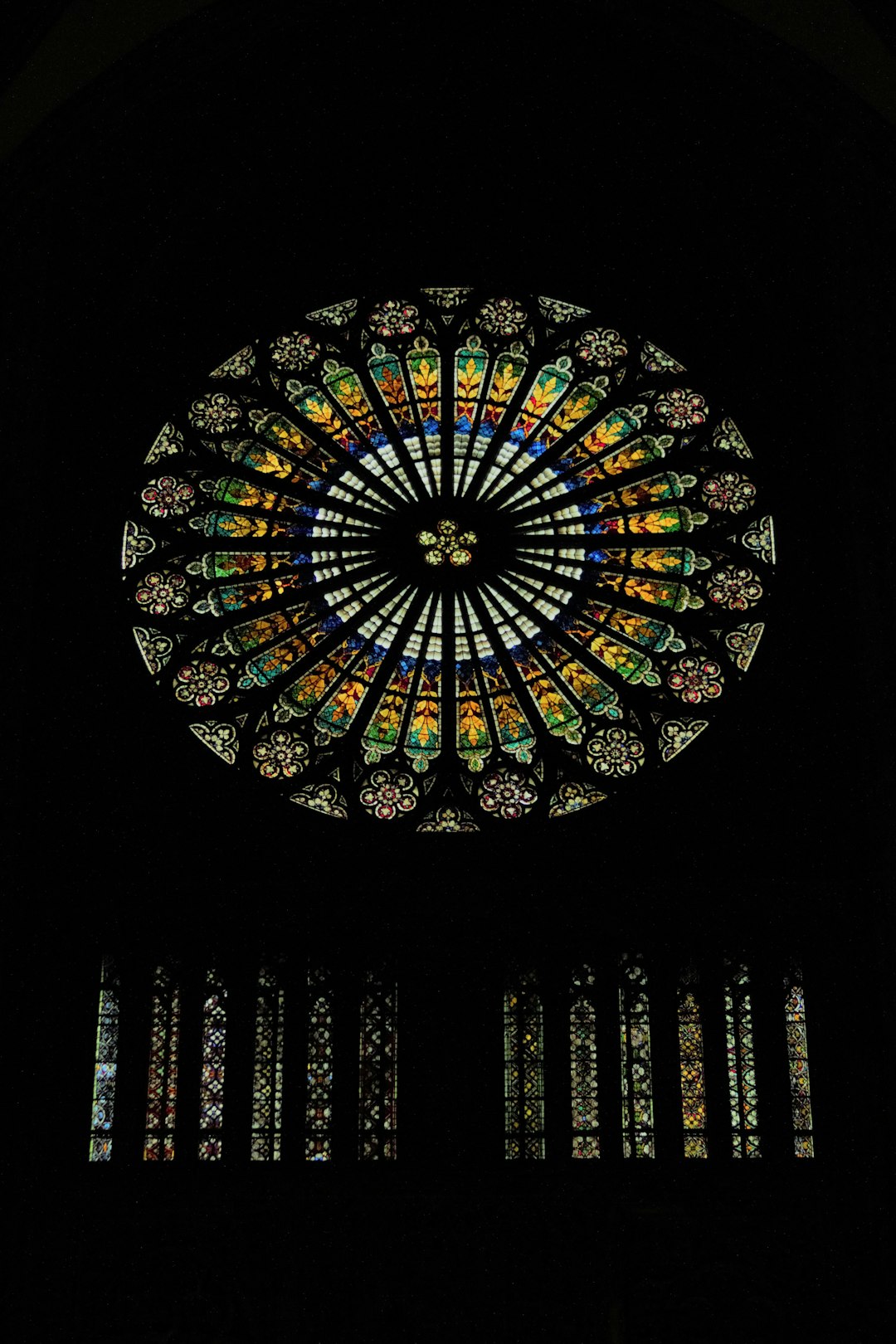
Sacred Geometry: Rose Windows and the Medieval Circle
How the perfect form of the circle became a theological argument rendered in glass and stone.
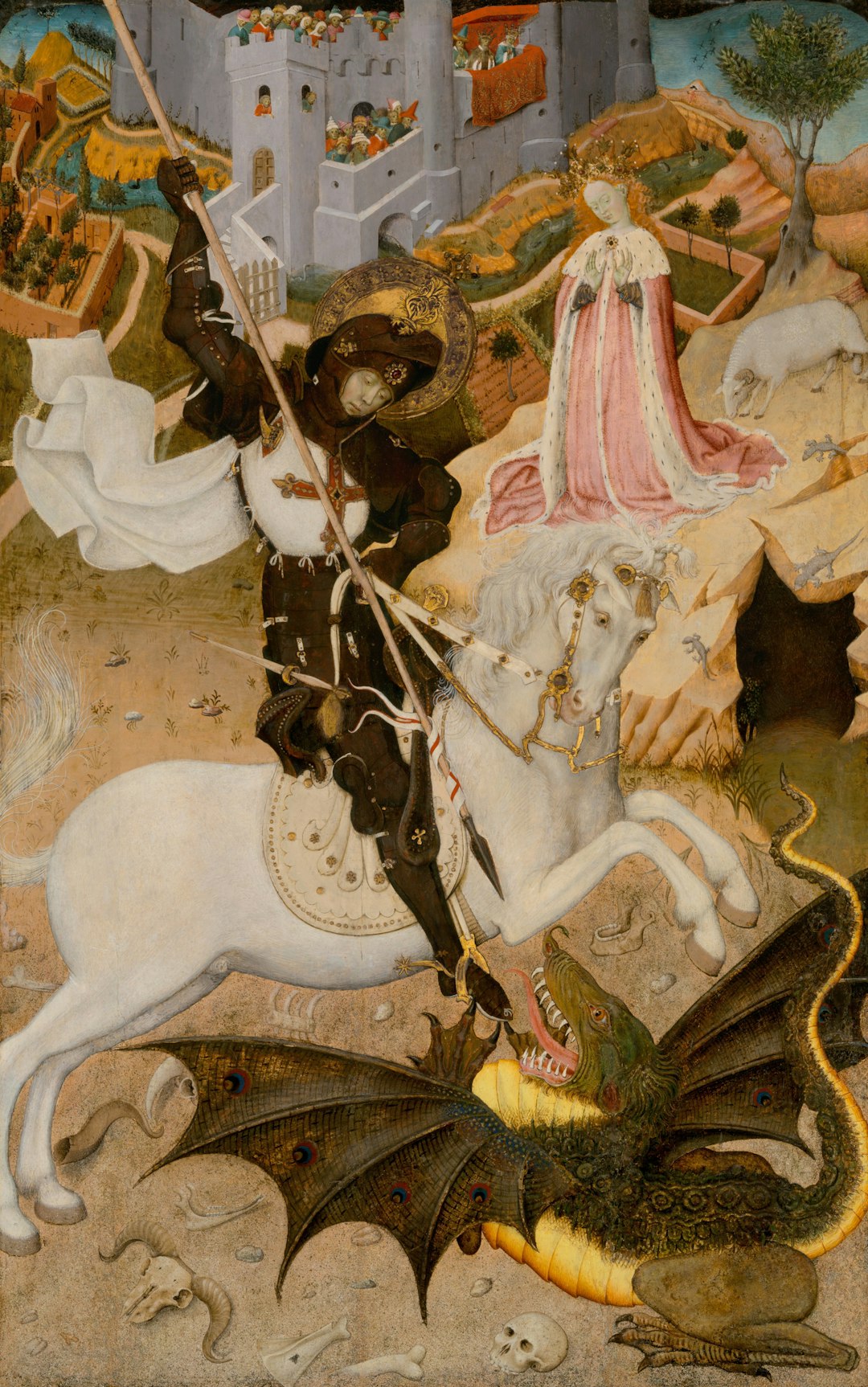
The Unicorn Hunt Tapestry: Death and Resurrection in Wool
The Metropolitan Museum's most beloved textile — a hunting narrative encoding Christological allegory.
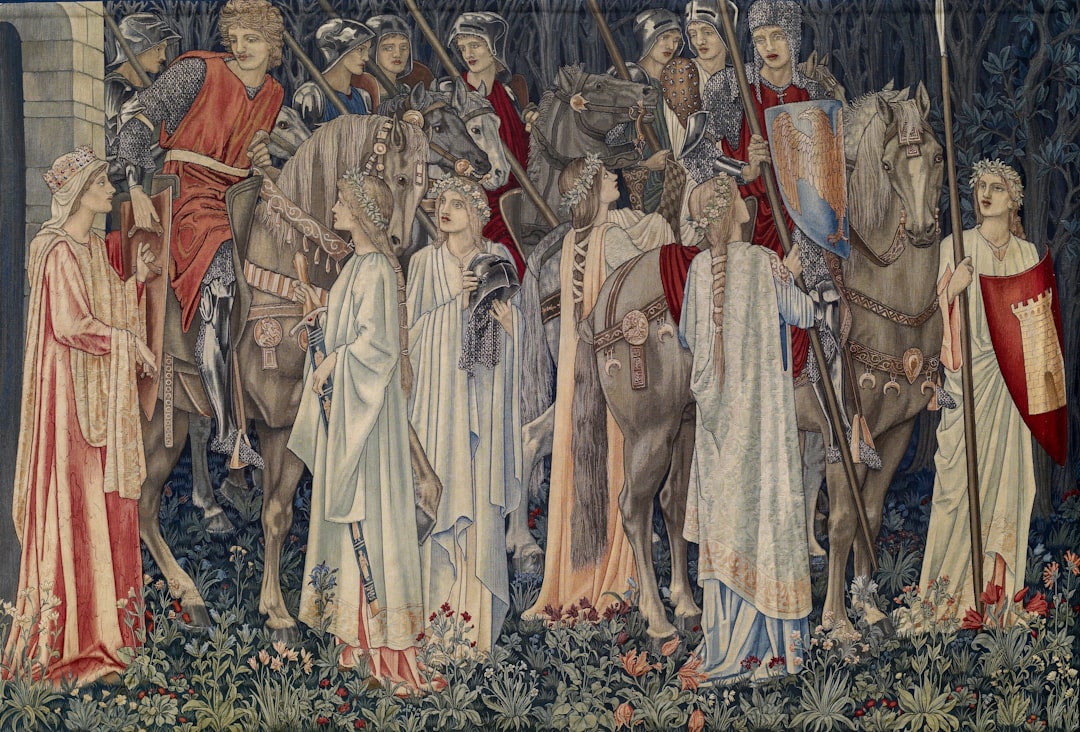
The Derrynaflan Paten: Silver and Sovereignty
An 8th-century Irish communion plate that transforms humble liturgy into an object of cosmic significance.